





Classic Recommendation.
The Language of Fabric: Women’s Wear as Self-Expression
Fashion, and specifically women’s wear, is far more than mere covering or utility; it is a profound and public language spoken through fabric, silhouette, and color. Every choice, from the cut of a blazer to the drape of a skirt, carries cultural weight, historical echoes, and a deeply personal message. For centuries, women’s clothing has been a canvas for societal norms, a battleground for freedom, and a vibrant mirror reflecting evolving identities.
The history of women’s dress is a fascinating journey of constraint and liberation. Eras defined by restrictive corsetry, voluminous petticoats, and layers of heavy material often symbolized a societal expectation of women as ornamental, physically limited, and confined to certain roles. Yet, within those limitations, women still found ways to communicate. A strategic use of a particular textile, an unexpected pop of color, or a subtle change in proportion could speak volumes about one’s status, aspirations, or even subtle rebellion against the norm.
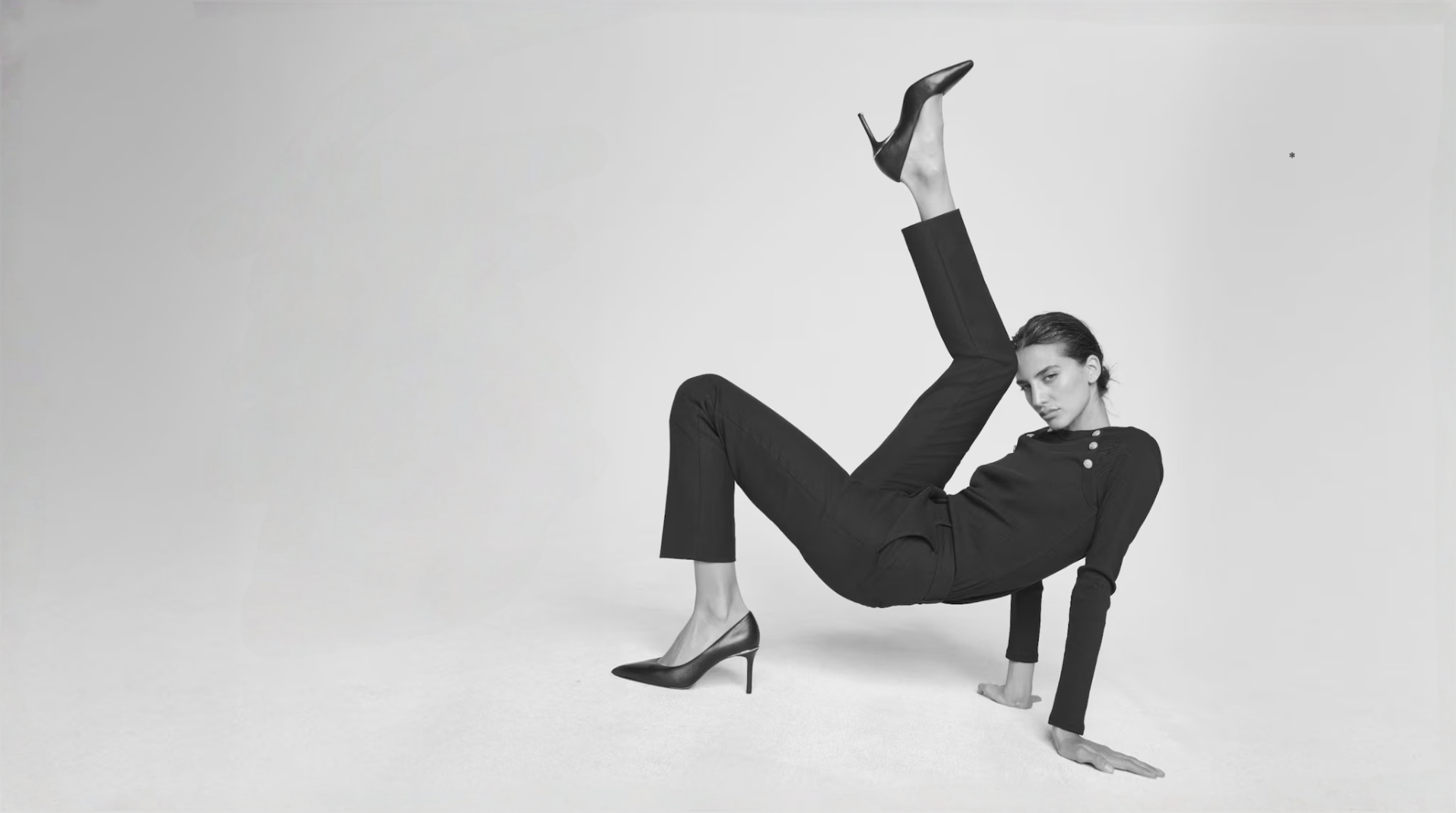
The shifts in the 20th century were revolutionary. As women moved into the workforce, demanded the right to vote, and embraced a more active role in the world, their clothing adapted with unprecedented speed. The gradual shedding of restrictive garments symbolized the breaking of social chains. Shorter hemlines, the rise of trousers as everyday wear, and the adoption of simpler, more streamlined shapes were all sartorial manifestations of a growing desire for independence and practicality. Clothing wasn’t just worn; it was a declaration.
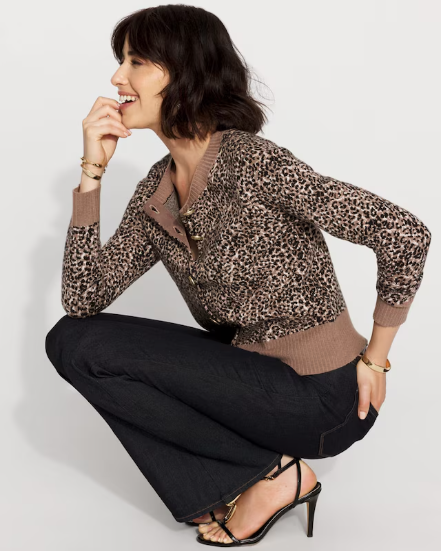
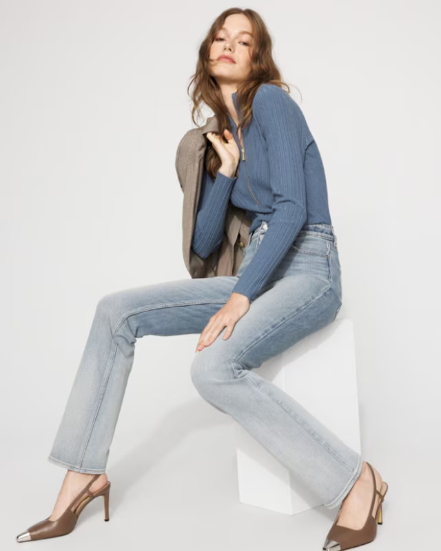
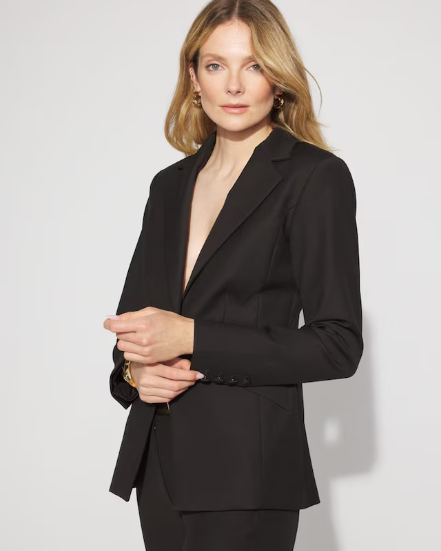
Today, the landscape of women’s fashion is one of infinite choice and fluid boundaries. This freedom presents both a delightful opportunity and a complex challenge. Clothing has become a tool for articulating a multi-faceted self. An individual might choose an outfit one day that exudes professional authority and on the next, one that celebrates playful comfort. This ability to shift styles allows women to navigate diverse social spheres and present the specific aspect of their identity they wish to highlight in that moment. It’s an exercise in personal curating, a way of constructing one’s image for the world.
Furthermore, women’s wear plays a vital role in cultural commentary. The cyclical nature of trends often brings back elements from the past, reimagined for the present, suggesting a dialogue with history. Moreover, the emphasis on conscious consumption, sustainability, and ethical production in contemporary fashion reflects broader global values. When a woman chooses to invest in garments that are made to last, or pieces that represent a specific ethical stance, she is engaging in a meaningful act that transcends mere appearance. She is aligning her personal style with her moral and social compass.
Ultimately, the true significance of women’s clothing lies in its power as a form of non-verbal communication. It allows for the subtle interplay between conforming to an expectation and asserting individuality. It is a constantly evolving tapestry of personal narrative woven with cultural threads, offering every woman the chance to dress not just for the weather, but for her aspirations, her moods, and the powerful story of who she is. It is, in its purest form, an art of living.